Barefoot
“The lorries have to set off today. Where are we?” I ask Mecit Bey. “The thirty-twos are done. The thirty-threes have been checked and loaded onto the truck as well, Selma Hanım.
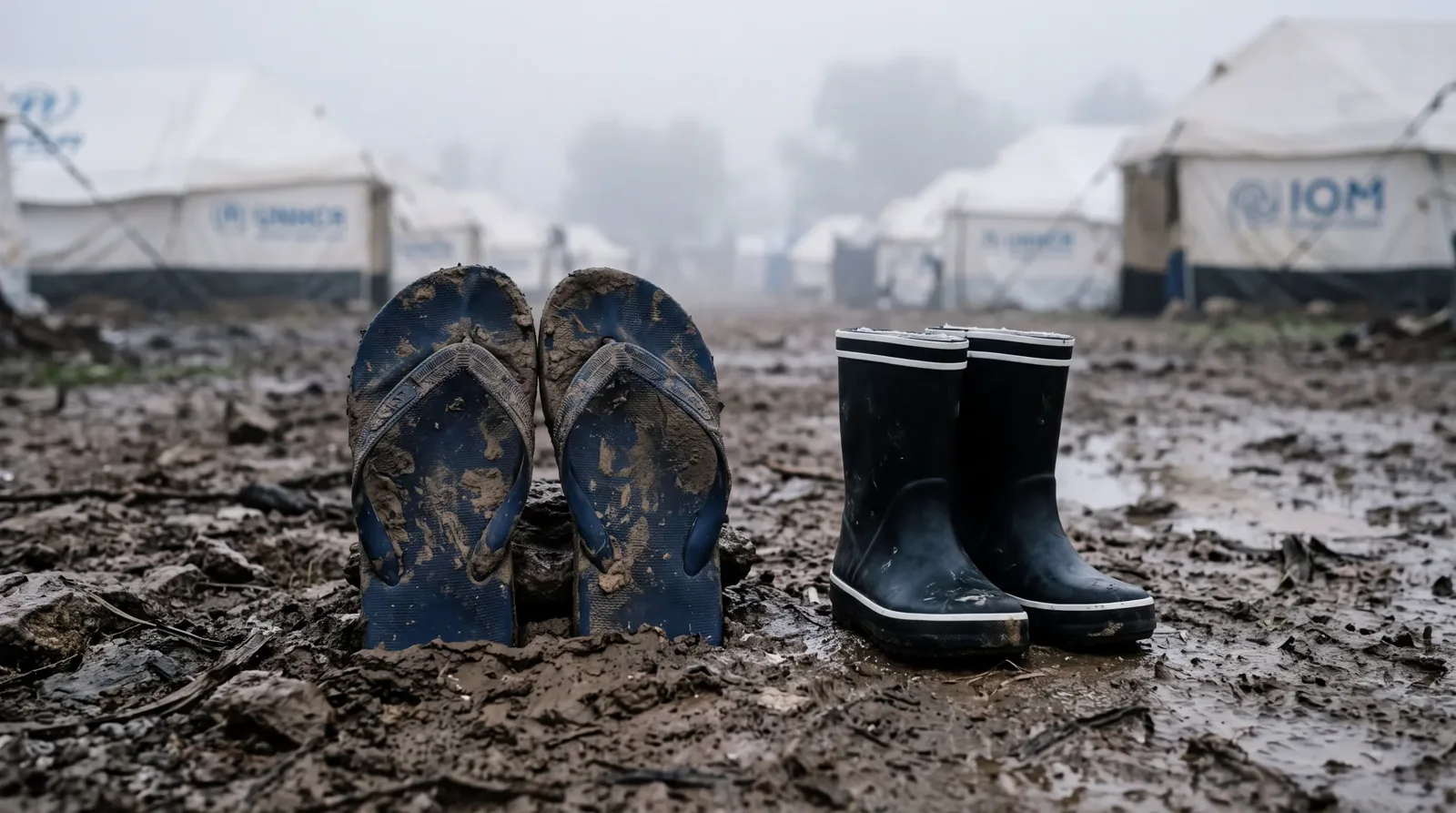 Image: AI-generated
“The lorries have to set off today. Where are we?” I ask Mecit Bey. “The thirty-twos are done. The thirty-threes have been checked and loaded onto the truck as well, Selma Hanım. Every size for the Adıyaman girls and boys is packed, thank God,” he says. His eyes go from the boxes to the list in his hand and back again; his face is burning with exhaustion. “And are any of the boxes for the Malatya lorry still short?” I ask. “Rest assured, they’re all complete. I’m having the boxes for Maraş counted again now.” “Thank you for all your hard work, Mecit Bey,” I say, then lean against the cold concrete wall of the enormous warehouse set aside for the operation and turn to the team working feverishly around me. “Listen, everyone, I mean it! Let’s check every lorry. We’ll stay here till morning if we have to, but those lorries are leaving with nothing missing!”
A pair of boots comes into my hands. White stripes along the sides. Unisex. Who will wear them is unknown, but that they will be a balm to some wound is certain. As I place them in the box, I tuck my prayers into the package too. God willing, the little one who wears these hasn’t lost anyone. “You’ll have a home again. I lived through it, I know. You’ll go back to school, you’ll build your future all over again. One day you’ll stand on your own two feet and perhaps, just like the people reaching out to you today, you’ll take others by the hand.” But I also know that if a loss has been left behind, those feet will always be out in the frost. I put a few pairs of socks in every package so they won’t be too cold. I don’t know whether my heart stickers will warm their hearts, but I want to say to every one of them, “You’re not alone. Don’t be ashamed.”
Cold winds suddenly blow, wrapping me up from my toes to my flowered scarf. I go back into the past. My slippers sink into the mire. I pull them free. They sink again. Mud gets everywhere; by the time I reach the tent school it has dried and drawn maps on my feet. At break I run to the tap. With water as cold as steel I try to rid my feet of the mud. The harder I try to get free of it, the more I am smeared all over in the colour of earth. I go back to the lesson a blurred silhouette.
Our lesson is Turkish. My favourite. Who cares what we’re studying? At the board is Raşit Hoca. He volunteers as a teacher at the tent school that has been set up so that we won’t fall behind in our education. He is actually a university student. He is explaining possessive suffixes. All the girls in the class listen to him in adoration. With the ringing of the bell, the pink clouds above our heads scatter. At break Raşit Hoca drinks tea with a group of young people like himself. I am still trying to get rid of the mud that has worked its way right under my fingernails. A sad song catches my ear from the battery radio at the entrance to the tent. “In the slums of rain and mud there were hearts so warm. In the barefoot children there was a future so pure…” The words of the song, which I listen to with all the torment of salt rubbed into a wound, pierce right through to my lungs. With my tender but weary thirteen-year-old heart I understand that in this tent city there is no escape, from the pain or from the mud.
When lessons are over I make my way to the tent. My mother, who cannot trust the Velcro flaps that serve as our door to protect us and so stands guard over us, must have granted my father leave for good, because for days now he hasn’t shown his face round here. Perhaps he has gone off to work so that we can get a new house. Otherwise why would he go and leave us in this state?
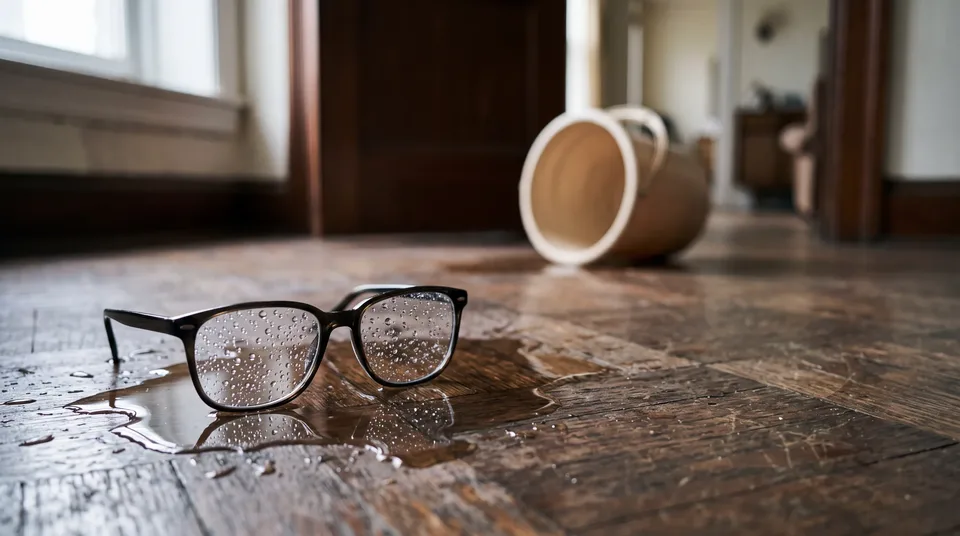
As soon as the sun withdraws from over us, we fall asleep. In the night I wake again at the same time. 03.02. I’m about to wet myself. I wake my mother. Because you have to walk heaven knows how many metres to reach the toilet, my mother can’t face going all that way. “Lie down and go to sleep, it’ll pass,” she says in a weary voice. I try; it doesn’t pass. “Do it in the bucket,” she says angrily. I hate doing it in that bucket. But what am I supposed to do, burst? I do as she says; I have no choice.
When morning comes the Velcro flaps open one by one. The October chill fills our tent. My mother is still asleep. She must have handed the watch over to the sun only a little while ago. My father’s leave is still going on, it seems. My brother and I grab our containers and run to the food queue. To the people saying, “There’s alum in this, that’s why it smells so strong,” I can’t bring myself to ask, “What’s alum?” Along with the food containers, which hold more water than anything else, we snatch two pieces of bread for dipping and start back.
I watch where I’m going so as not to spill the food. I always watch where I’m going anyway. Raşit Hoca appears in front of me. I feel my face go red. I keep walking without raising my eyes. Some people have made flowerpots out of yoghurt tubs and decorated the fronts of their tents with different kinds of daisies. Why isn’t our tent like that? I ask my mother. “I don’t like flowers,” she says. “Let that father of yours smell them, may he go blind.” Tears big as beads roll from her eyes as she says it. My mother wipes every colour out of her life and hates flowers.
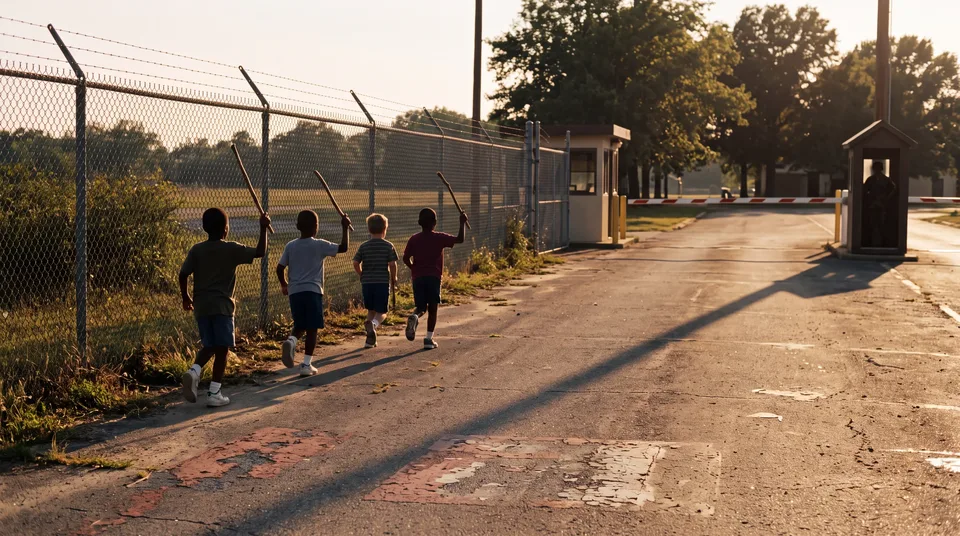
After breakfast I slip on my navy slippers, which I washed the evening before until they shone, and leave the tent. I meet my cousin Elif by the fences and we walk towards school. Our mothers used to like dressing us alike, before we lost everything in the earthquake. Now, in clothes from the aid lorries, the whole tent city dresses alike.
A pupil at the entrance to our tent school rings a bell, the kind I’ve seen in Adile Naşit’s hand. It’s our English lesson. Even though we’ve been doing the past tense for weeks, I just can’t keep the second forms of the verbs in my head. Really, when does the past become fully past? Is the earthquake, for instance, an event that has happened and is over but whose effects go on? As I’m thinking about this, two adults we don’t know come into the classroom. Running their eyes over us, they talk among themselves. They bend down and look at our feet. They make notes in the notebook in their hands. What’s going on? Who are they? What do they want from us? They’re working out what we lack, what we need, apparently. Everyone here lacks something anyway. So how are they going to make up for the lacks that can’t be seen?
Raşit Hoca comes up to Elif and me with a huge package in his hands. With a smile on his face he says, “Come here, girls. I’ve got a surprise for you.” Out of the packages we open so excitedly comes a pair of black boots each. White stripes along the sides. Unisex. The kind that would fit whoever wore them. “Whose are these?” I ask. “I brought them for you,” he says, and how pleased he looks as he says it. Elif and I catch each other’s eye. She doesn’t know what to say either. I look at my bare feet, cracked with dust and dirt, and my lip curls. I put the boot down on top of the package. “But we don’t need them, sir. Give them to someone else. We wear the navy slippers because we like them,” I say, and run off towards the tent.
My father is nowhere to be seen again. Why isn’t he here? With everything we’re going through, why did he get leave from my mother and go? If only I could sink into the ground and never see anyone. I bury my head under the quilt and start to cry. The frost bites my toes. Before long I hear Raşit Hoca’s voice. He has put his head into the tent and is calling to me. “Don’t be ashamed! What is there to be ashamed of? I thought you’d be pleased...” I bury my head in the pillow. “I don’t want them,” I shout, “go away.”
“Selma Hanım, are you all right?” Mecit Bey is looking at me with worried eyes. Wiping the tears from my eyes, I say, “I’m fine.” “If you give the go-ahead, we’ll send the lorries off.” “I’m coming right away. There’s a little thing I need to see to first,” I say. I put the boots down on my desk and pick up my phone. I track down my Raşit Hoca on social media. It isn’t very hard; I find him in his home town, Manisa, as a teacher of Turkish. I blow on my hand, frozen with cold, and begin to write. “My dear Teacher! I owe you a thank-you that is twenty-four years late.” My fingers struggle to keep pace with the words flowing out of my mind. Once again I become thirteen-year-old Selma and pull the black boots onto my feet. “From a barefoot pupil of yours at the Gölcük Tent City.”
I press Send. For the first time in years, my toes begin to grow warm.
This story won first prize in the Tahta Gemi International Short Story Competition (2026). Translated from the Turkish.
COMMENTS
No comments yet. Be the first to comment.